
Mast Cell Tumours In Pets

A mast cell tumour (MCT) is a type of cancer that arises from mast cells, a type of white blood cell.
What is Mast Cell Tumour?
Mast cells are found throughout the body, particularly in the skin, and when they become cancerous, they can form tumours. Mast cell tumours are one of the most common types of skin tumours in dogs, though they can also appear in other areas of the body, such as the spleen, liver, and gastrointestinal tract. Mast cell tumours can range from benign (non-cancerous) to highly aggressive, and their behaviour can vary greatly depending on the tumour's grade and location.
Signs Your Pet May Have a Mast Cell Tumour?
The behaviour of mast cell tumours is unpredictable. Many affected dogs have no signs other than the presence of the lump itself. Clinical signs can vary depending on their location and severity. Common signs include:
🐾 Visible lumps or masses – Mast cell tumours may appear as raised, firm, or soft lumps on or under the skin, often varying in size and color (from red to normal skin tone).
🐾 Sudden changes in the lump – The tumour may change in size, become red or inflamed, or feel itchy. Some tumours may appear to shrink, grow, or ulcerate.
🐾 Gastrointestinal symptoms – If the tumour is affecting internal organs, your pet may show signs like vomiting, diarrhea, or decreased appetite.
🐾 Skin irritation – Itching, redness, or inflammation may occur at the site of the tumour, particularly if the mast cells release histamine, which can cause allergic reactions.
What Causes Mast Cell Tumours?
The exact cause of mast cell tumours is not fully understood, but several factors can contribute to their development:
🐾 Genetics – Certain dog breeds are more prone to mast cell tumours, including Boxers, Bulldogs, Labrador Retrievers, and Schnauzers.
🐾 Age – Mast cell tumours are more common in middle-aged to older dogs, although they can develop at any age.
🐾 Environmental factors – While the role of environmental factors is not clear, some studies suggest that exposure to certain chemicals or environmental toxins may increase the risk of developing MCTs.
When to See a Vet
If you notice any new lumps or changes in existing lumps on your pet, it’s essential to consult your veterinarian. You should see your vet immediately if:
✔ A new lump appears, particularly if it is growing, red, or changing in appearance.
✔ The lump is located in an area where it could interfere with mobility or function (such as near joints or internal organs).
✔ Your pet shows signs of pain, discomfort, or unusual behavior around the lump.
✔ The lump begins to ulcerate, bleed, or become inflamed.
✔ Your pet exhibits gastrointestinal symptoms like vomiting, diarrhea, or loss of appetite.
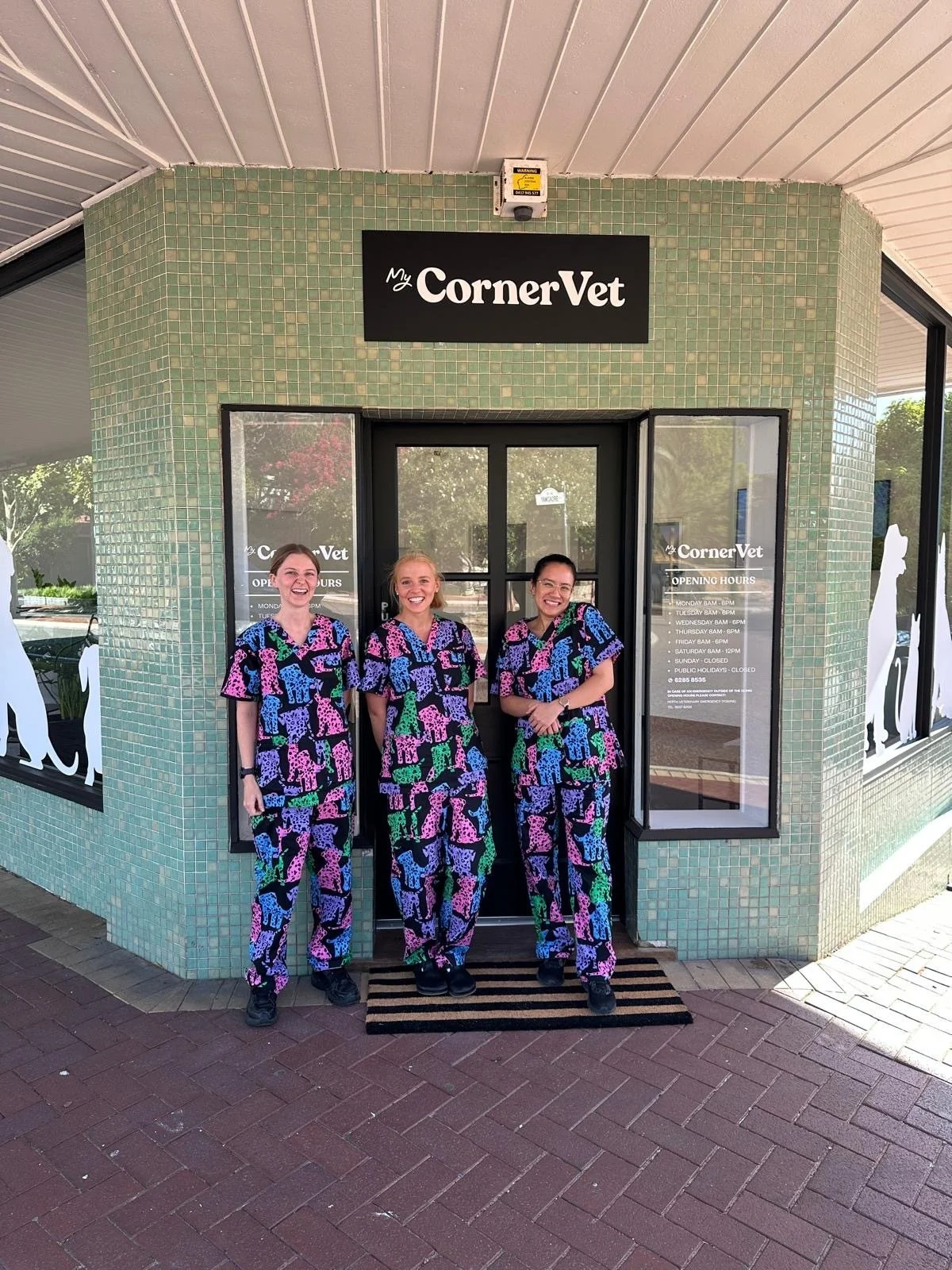
Professional Mast Cell Tumour Treatment at My Corner Vet
At My Corner Vet, we offer a comprehensive approach to diagnosing and treating mast cell tumours, including:
Diagnosis
Your veterinarian will perform a thorough examination.
Surgical removal
If the mast cell tumour is localised and removable, surgery is often the treatment of choice.
Ongoing monitoring
After treatment, regular follow-up appointments will be necessary to monitor for recurrence or metastasis, especially if the tumour was aggressive or had spread.
Oncology treatment
If the tumour is inoperable or has spread, your vet may recommend chemotherapy or radiation therapy.
How to Prevent Mast Cell Tumours
While there is no definitive way to prevent mast cell tumours, there are some steps you can take to reduce your pet’s risk:
🐾 Regular veterinary check-ups – Annual or semi-annual check-ups with your vet can help detect lumps or changes early, allowing for quicker treatment if needed.
🐾 Routine skin examinations – Regularly check your pet’s skin for new lumps or changes in existing lumps. Prompt detection can lead to better treatment outcomes.
🐾 Maintain a healthy lifestyle – A balanced diet, regular exercise, and minimising exposure to environmental carcinogens (i.e. asbestos, tobacco smoke, excessive ultraviolet radiation) can contribute to overall health and may reduce the risk of certain types of cancer.
If your pet experiences signs of lumps, call our vets for to discuss diagnosis and treatment.
Frequently Asked Questions
-
Mast cell tumours can be either benign (non-cancerous) or malignant (cancerous). The prognosis depends on the grade of the tumour and whether it has spread to other parts of the body. Your vet can help determine this through tests and evaluation.
-
Yes, malignant mast cell tumours can spread to other organs, such as the liver, spleen, or lymph nodes. Early detection and treatment are crucial to managing the disease and preventing metastasis.
-
Mast cell tumours are typically diagnosed through a fine needle aspiration (FNA) or biopsy, where a small sample of the tumour is taken and analyzed under a microscope. Imaging tests like X-rays or ultrasound may also be used to assess the extent of the tumour.
-
In some cases, if the tumour is inoperable or has spread, your veterinarian may recommend chemotherapy, radiation, or other treatments. Surgery is typically the first choice if the tumour can be safely removed.
-
The prognosis depends on the tumour's grade, size, and whether it has spread. Low-grade tumours that are detected early and removed surgically often have a good prognosis, while high-grade tumours or those that have spread may require more intensive treatment and may have a more guarded outlook.
The latest from My Corner Vet!
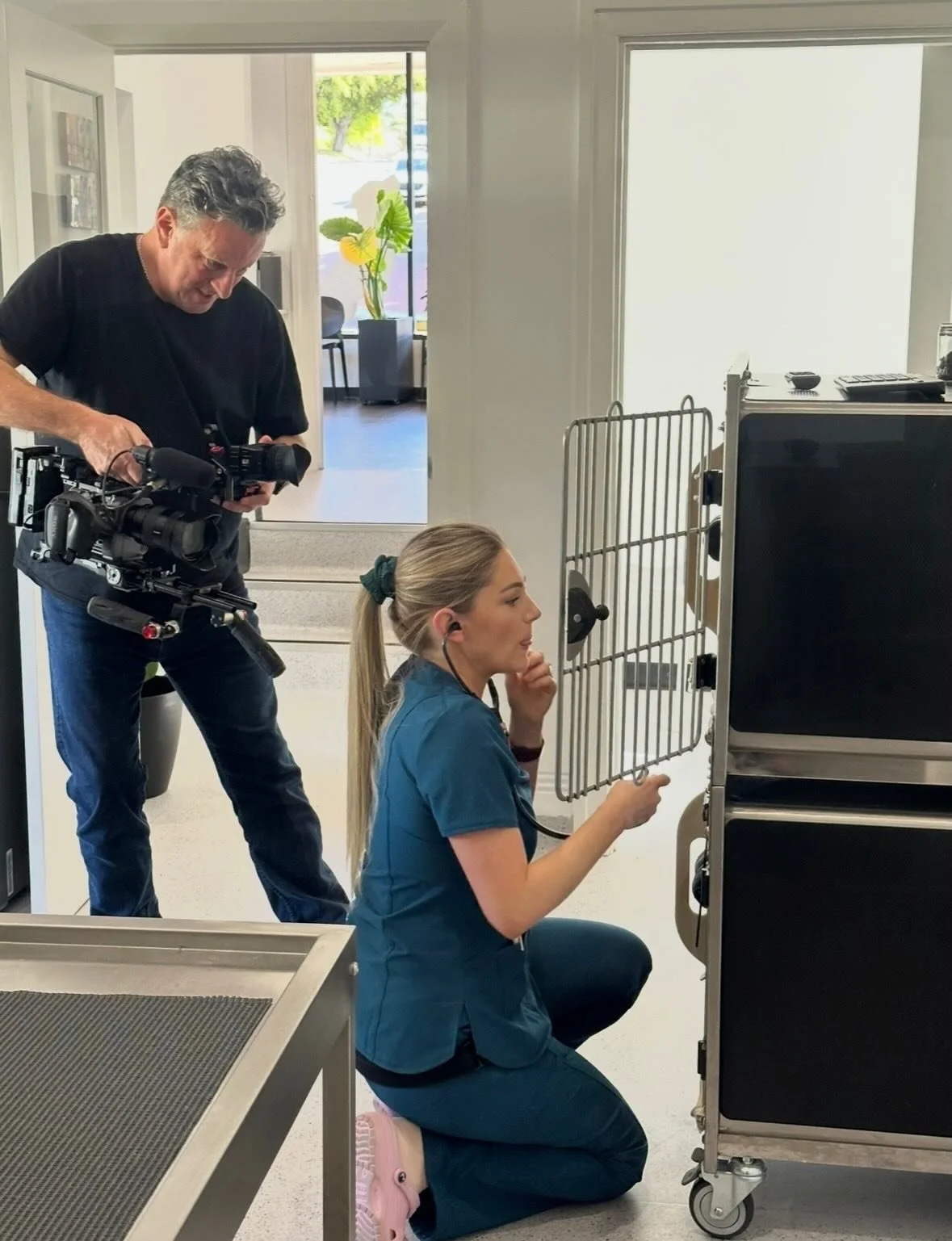
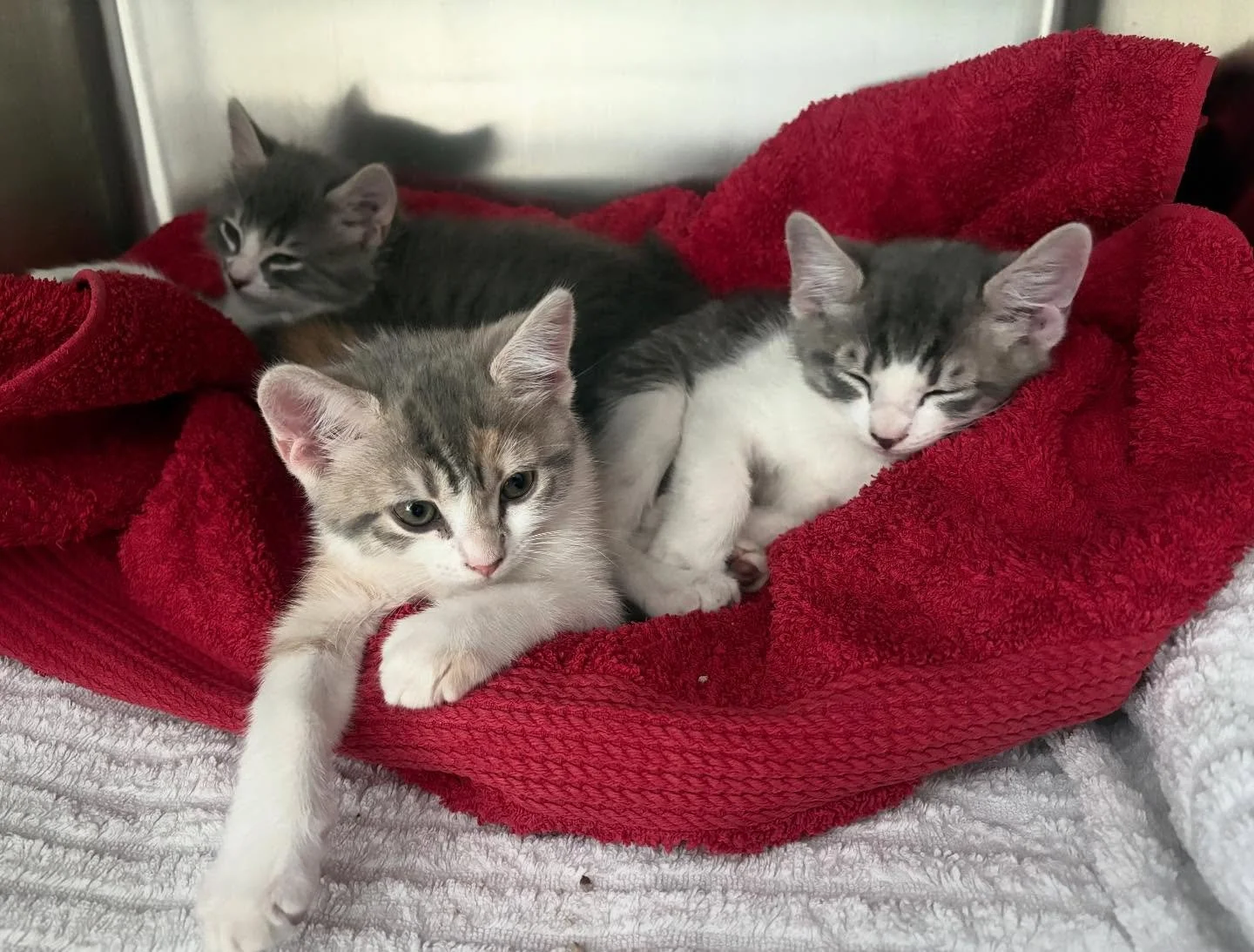
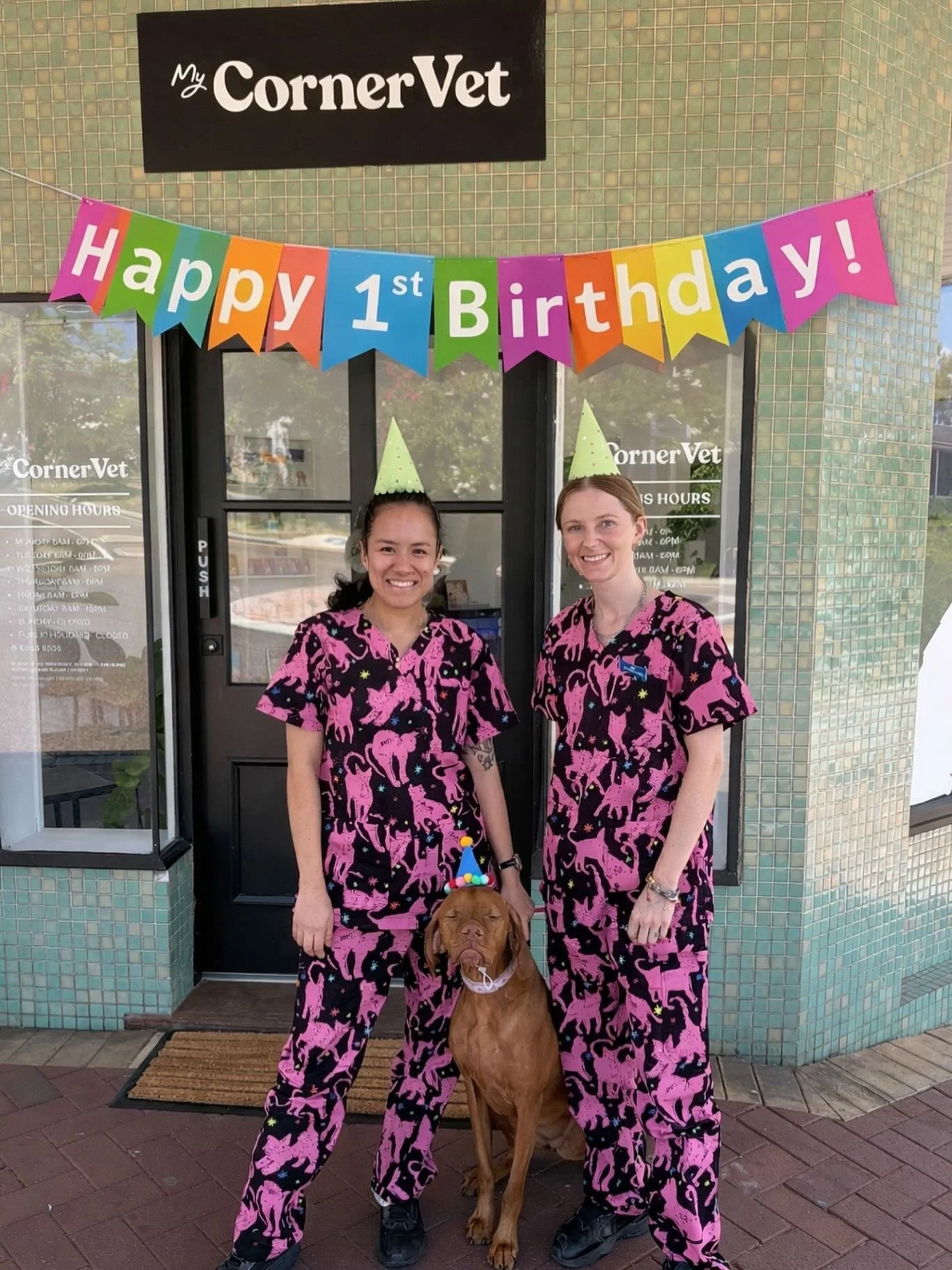
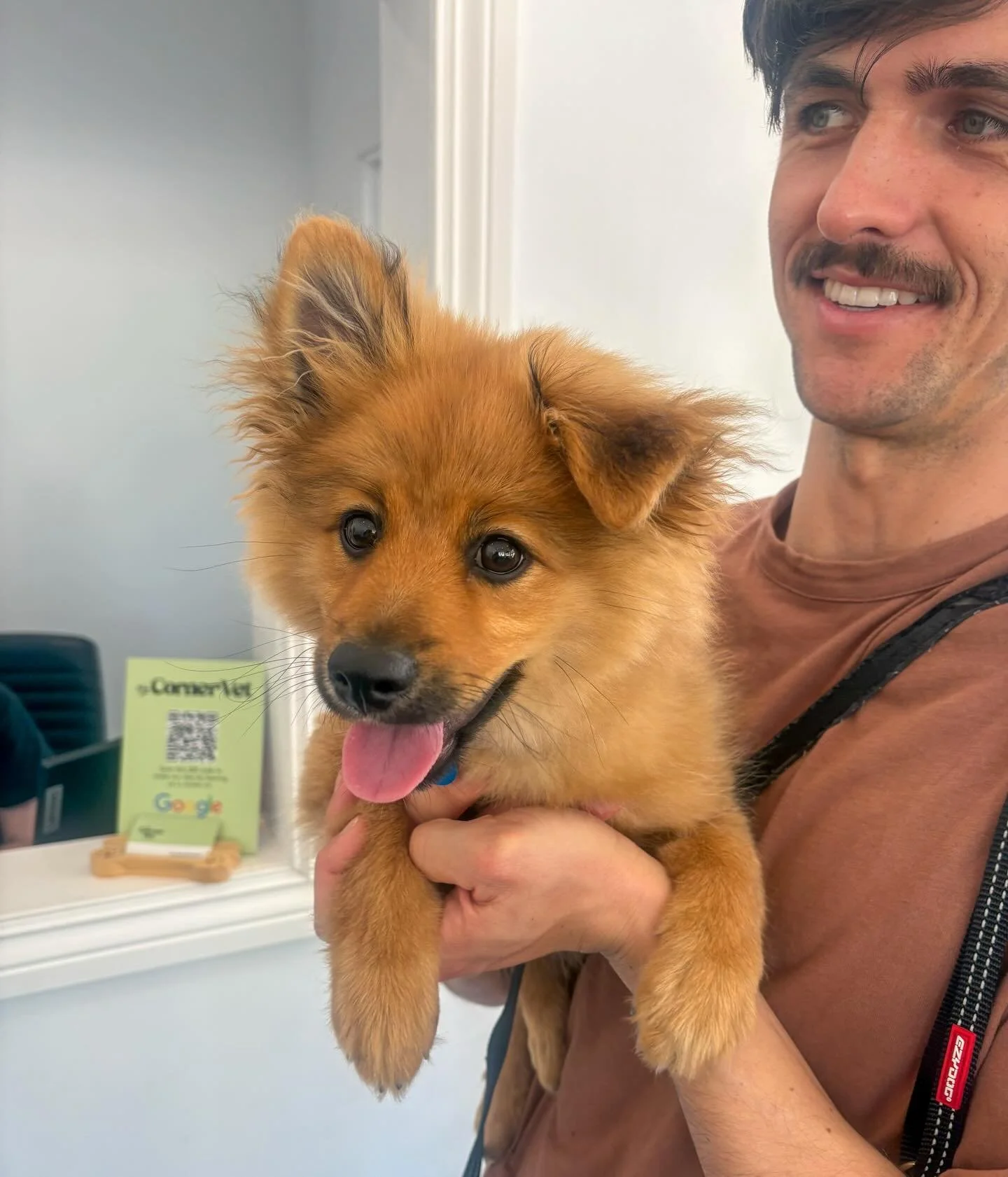
See our pet patients, happy clients, and behind-the-scenes moments from the clinic.

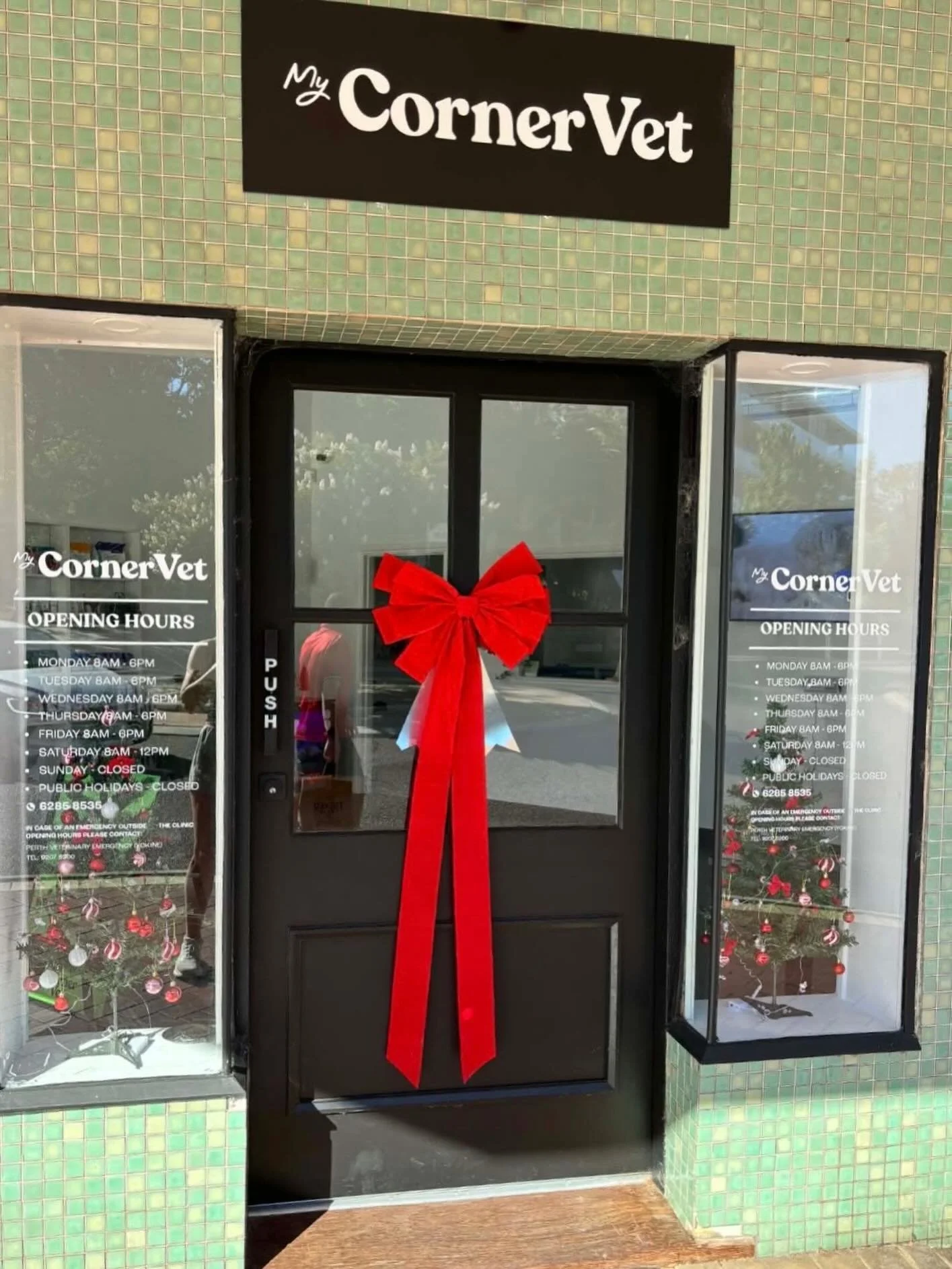
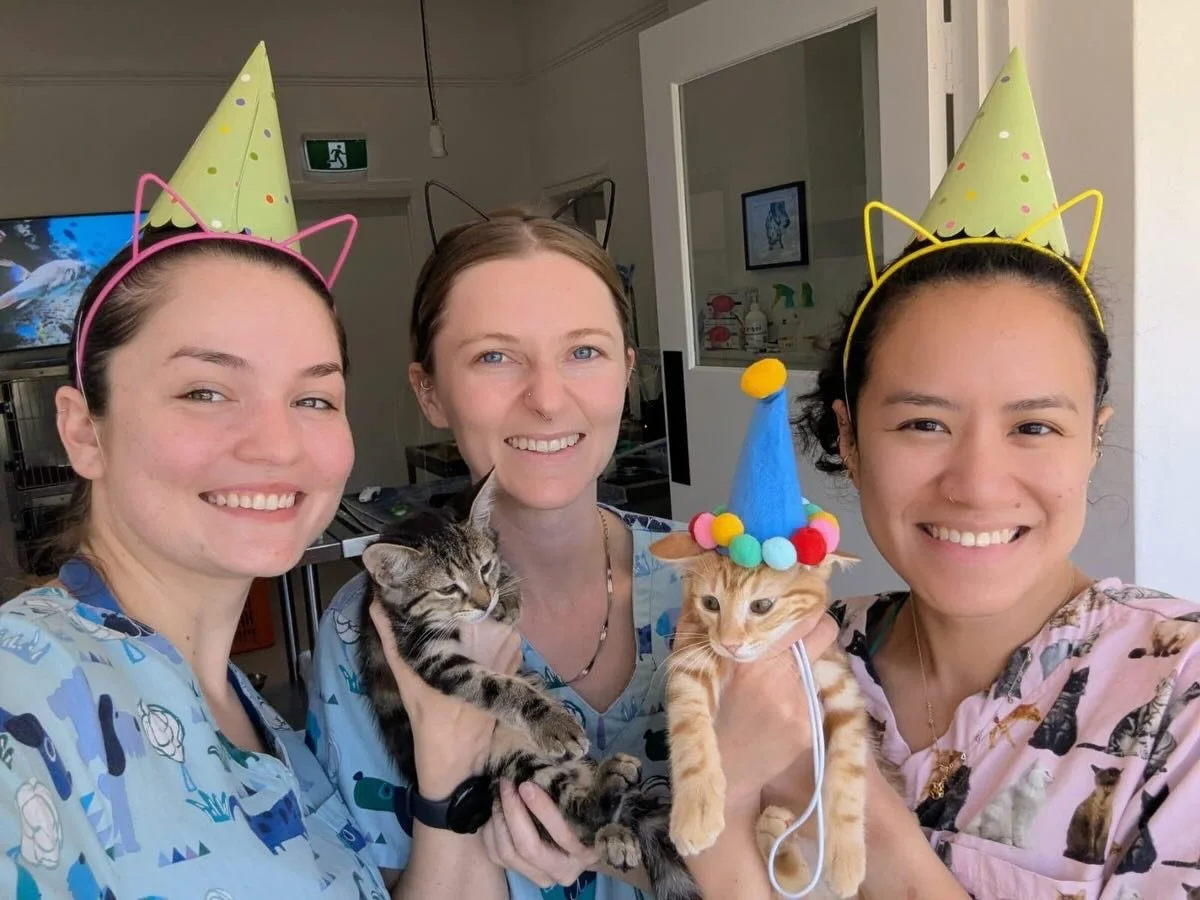
Follow Us on Socials!
Stay connected and never miss an update. Follow us on Instagram for tips, news, and adorable pet photos!
Book an Appointment at My Corner Vet
🐾 Expert and knowledgeable treatment for tumours in pets
🐾 Same-day appointments available
🐾 A caring, professional team
📍 Clinic Location: 134 Broadway, Nedlands, WA
📞 Call Us: (08) 6285 8535
📅 Online Booking: Book Now
If your pet has signs of a tumour, call your local vet today!
Local Vet for Local Pets
Conveniently located in the heart of Nedlands, My Corner Vet is here for you and your pets. Use the map to find us and plan your visit with ease!
Free parking is available for all patients, just a short 20-step walk to our welcoming waiting room.